
The Best Traffic Bot and Website Automation Software
TrafficBotPro empowers you to effortlessly automate any web task and send mass traffic to websites with
ease





Earn money by clicking ads
on your website or beat
your competitors by
clicking their AD
automatically.


Join popular freelancing
platforms like Fiverr, Seo
Clerks and start selling
website traffic there and
make some money!
I should also think about the user's possible constraints. They might not have access to academic resources on this topic or know how to integrate personal media into a formal paper. I should provide a step-by-step guide, covering introduction, methodology, analysis, and conclusion. Including examples or hypothetical sections could help them visualize the process.
Another angle is the cultural or sociological perspective, especially if the photos are from a specific region in Kerala, India. The photos could be used to discuss family dynamics, social changes, or cultural practices. The user might be a student or researcher in social sciences, anthropology, or even art and media studies.
Since the request is vague, I should cover multiple possibilities and ask for clarification to ensure the response meets their needs. Maybe offer different paper development approaches based on the intended use (academic, personal archive, exhibition, etc.).
The user might need technical advice on organizing the paper, like using photo documentation methods or digital tools for presenting multimedia in papers. They might also need tips on writing captions, referencing, or integrating images into LaTeX or Word documents.
Next, I need to consider the academic context. Developing a paper with photos could involve a case study, personal narrative, or ethnographic research. The user might not have specified the exact topic or field, so I should outline possible approaches. Maybe they need help with structure, analysis methods, or ethical considerations when using personal photographs in academic work.
I should also mention the importance of proper citation if the photos are not original, and how to address privacy and consent issues, as the photos are of family members. Maybe suggest ethical guidelines for using personal media in academic contexts.
TrafficBotPro is a software web automation software that allows you to hide and control your digital
fingerprint by spoofing all parameters that websites can see. By masking these settings, you can bypass
anti-fraud systems by impersonating your real internet identity.
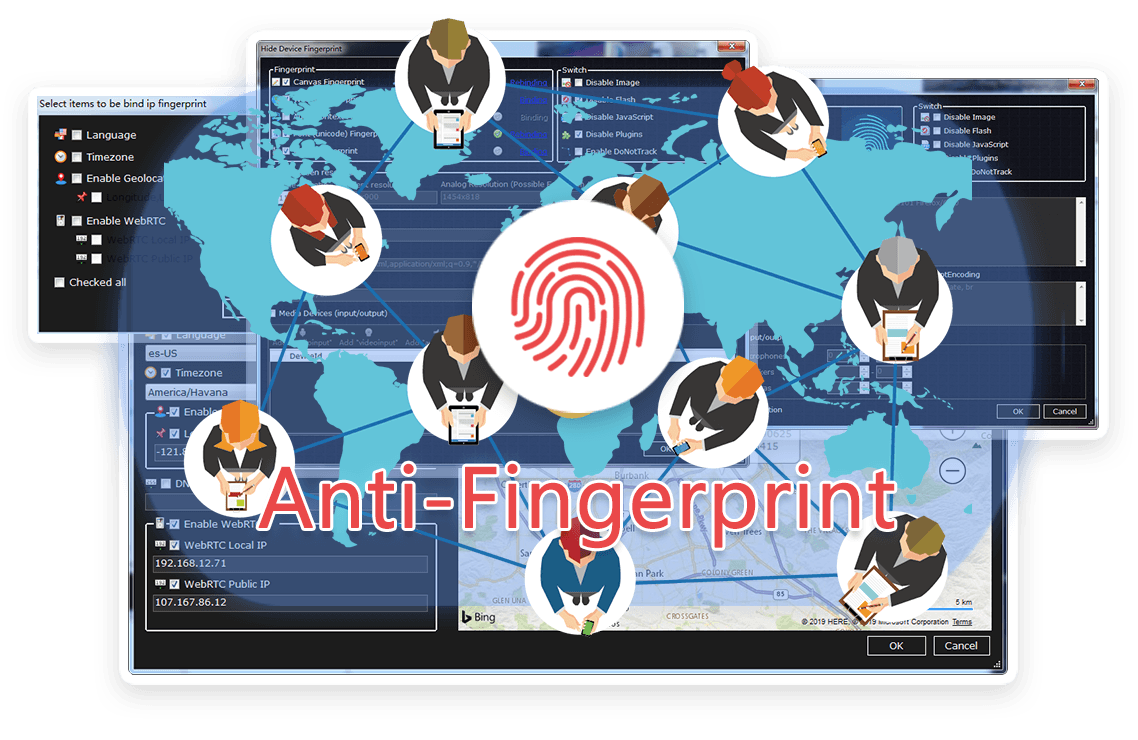
It helps you create a large number of profiles, each with its own digital fingerprint. These profiles do not
overlap with each other, so the website cannot ban your account. This is useful for performing various tasks
on the Internet.
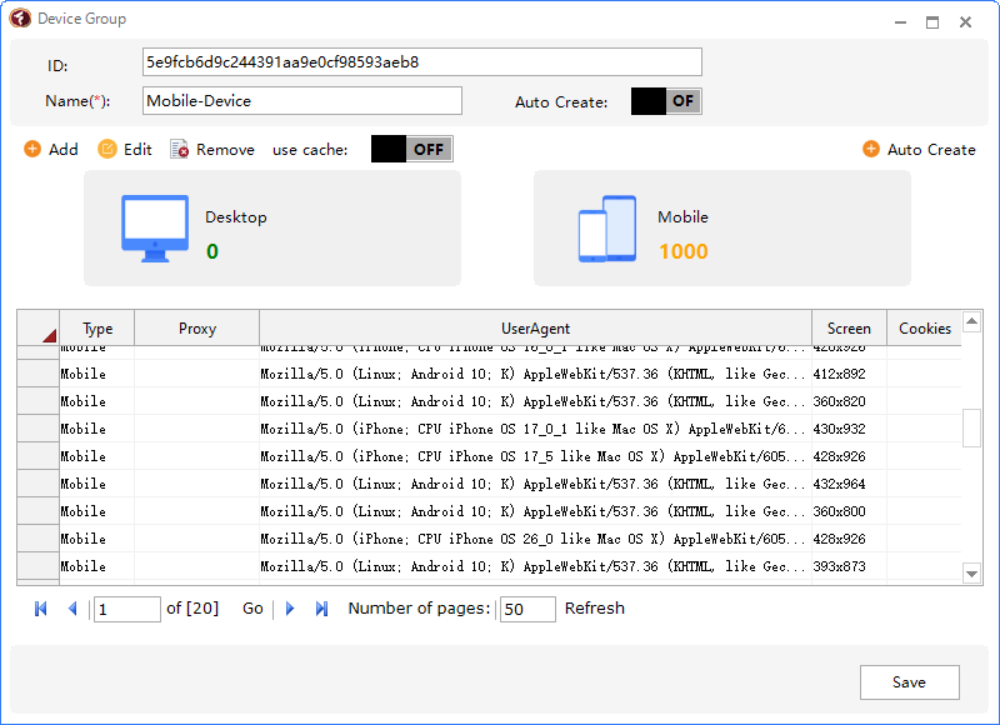
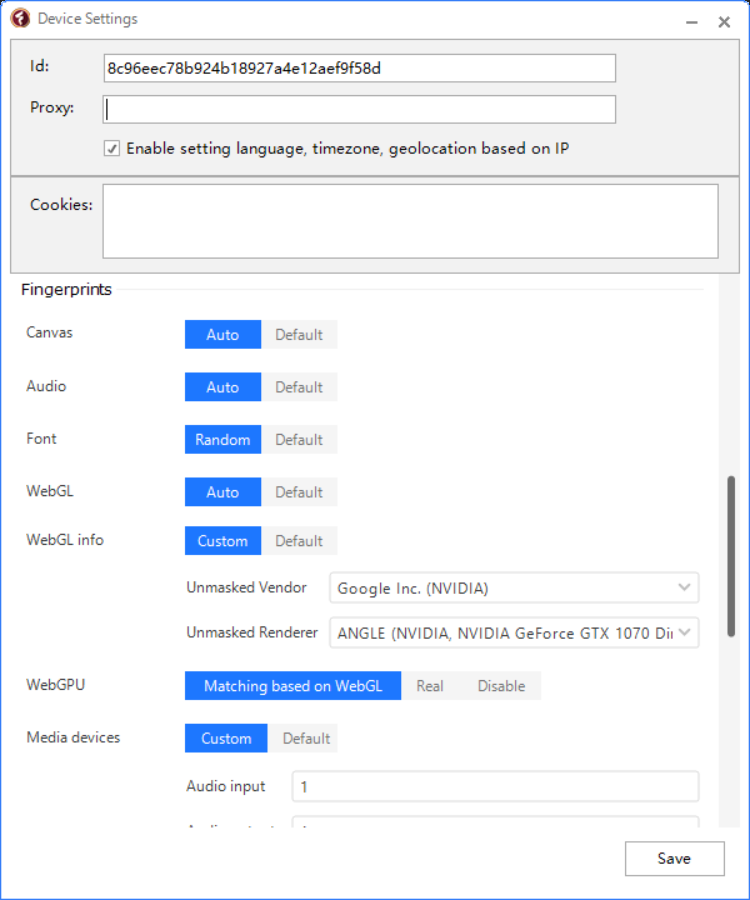
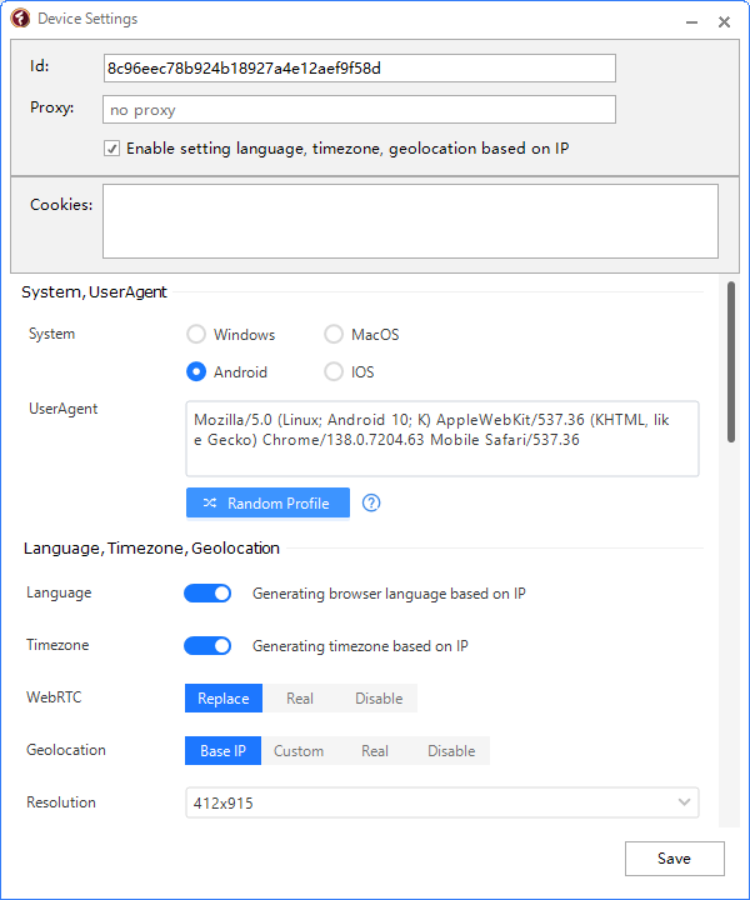
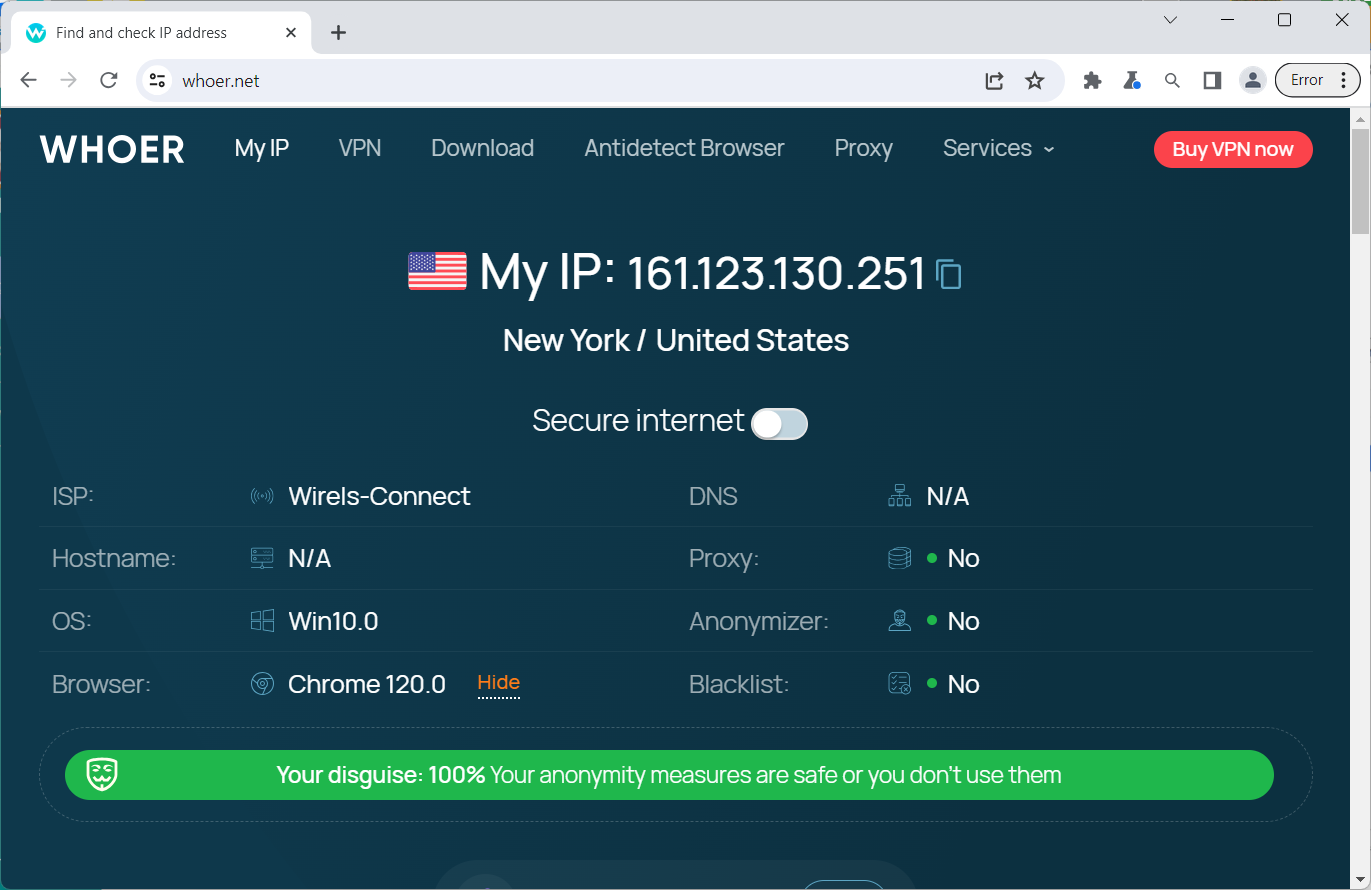
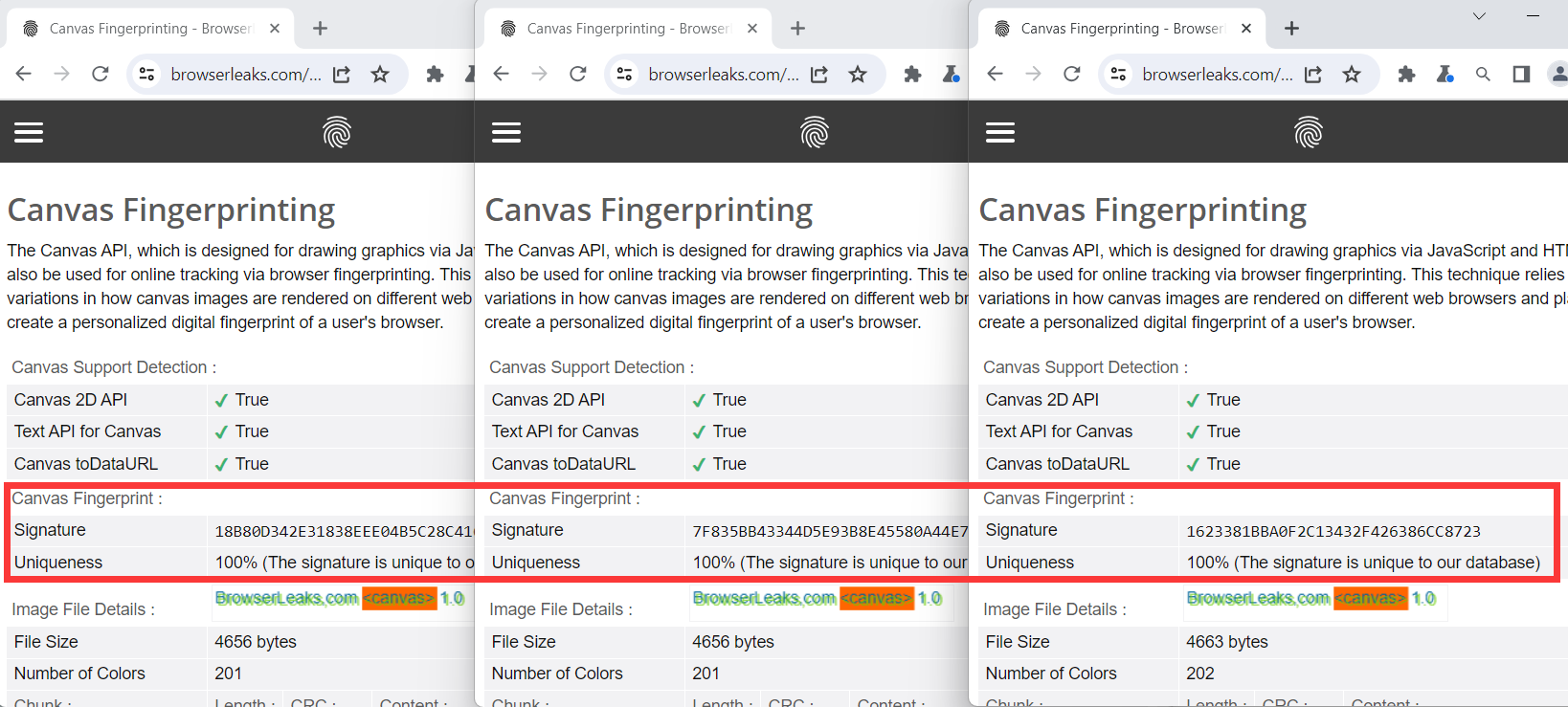
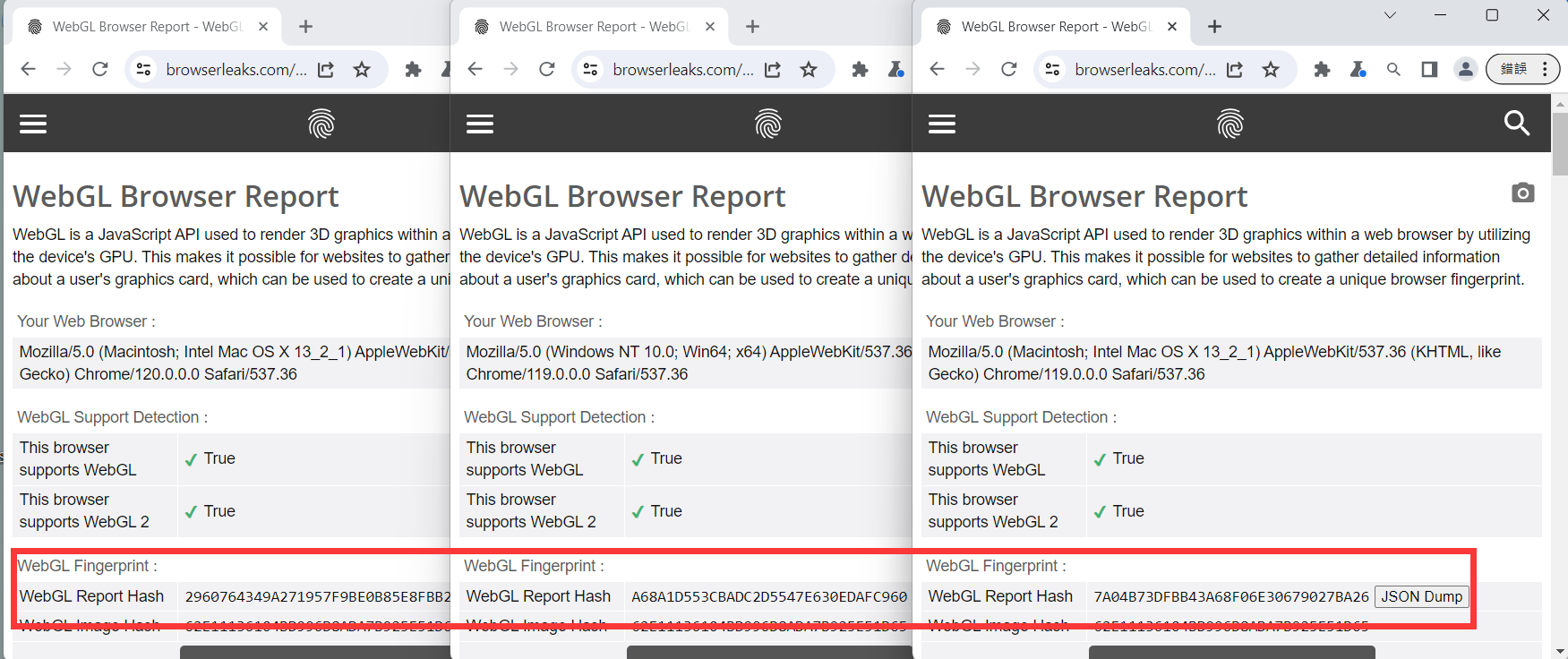
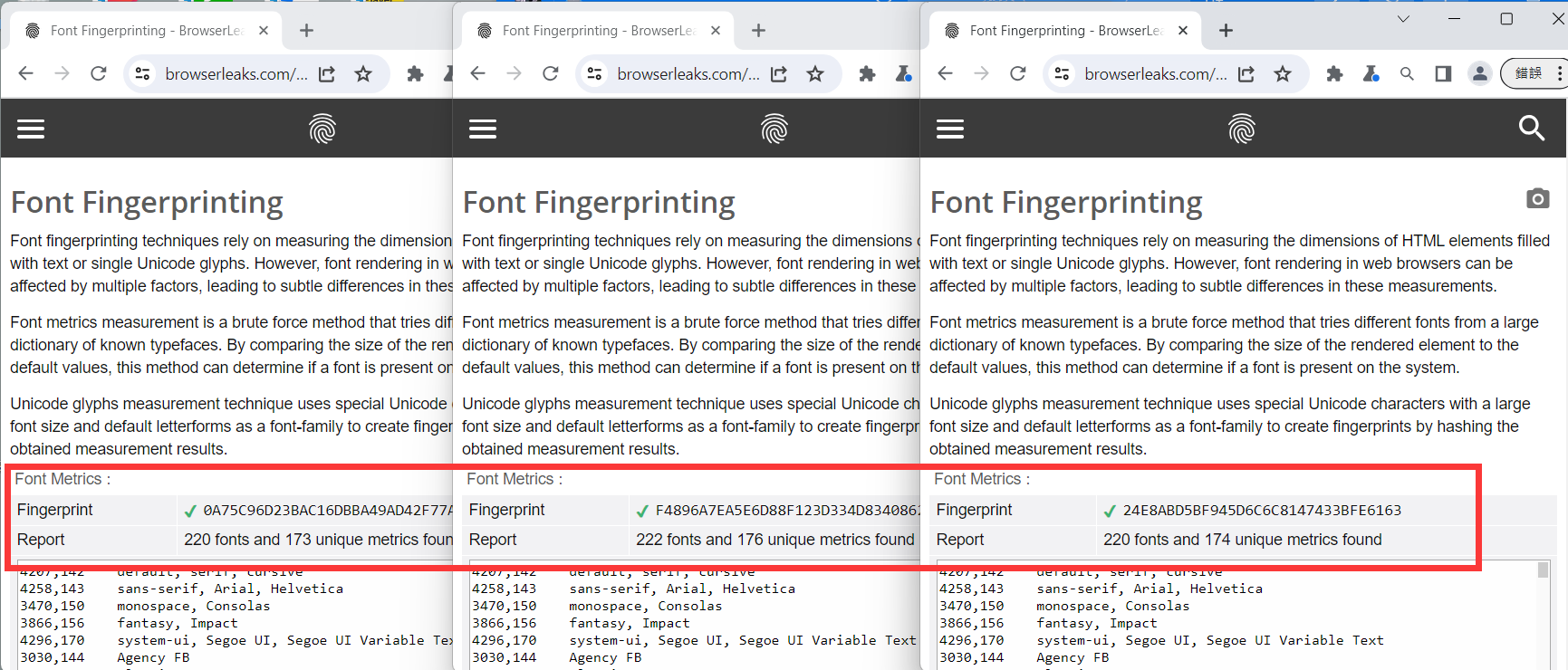
Our software approaches browser fingerprinting in a completely indigenous way. Instead of trying to prevent websites from reading your computer’s fingerprint, our software allows reading it but replaces your original fingerprint with a different one. When you use a proxy IP, our software is fully different to other software that only add a proxy to your browser to work, our software will set the timezone, language, DNS and location etc... is matched to your proxy IP, that will make you looks like a real people from the proxy IP. Our software can also generate different device fingerprint and bind different fingerprint with your accounts. Once the account is bind with proxy IP, device fingerprint and other settings, the account will use these settings all the time with all operation. That is why you can use our software to mange and operate many accounts with different proxy safely.

I should also think about the user's possible constraints. They might not have access to academic resources on this topic or know how to integrate personal media into a formal paper. I should provide a step-by-step guide, covering introduction, methodology, analysis, and conclusion. Including examples or hypothetical sections could help them visualize the process.
Another angle is the cultural or sociological perspective, especially if the photos are from a specific region in Kerala, India. The photos could be used to discuss family dynamics, social changes, or cultural practices. The user might be a student or researcher in social sciences, anthropology, or even art and media studies.
Since the request is vague, I should cover multiple possibilities and ask for clarification to ensure the response meets their needs. Maybe offer different paper development approaches based on the intended use (academic, personal archive, exhibition, etc.).
The user might need technical advice on organizing the paper, like using photo documentation methods or digital tools for presenting multimedia in papers. They might also need tips on writing captions, referencing, or integrating images into LaTeX or Word documents.
Next, I need to consider the academic context. Developing a paper with photos could involve a case study, personal narrative, or ethnographic research. The user might not have specified the exact topic or field, so I should outline possible approaches. Maybe they need help with structure, analysis methods, or ethical considerations when using personal photographs in academic work.
I should also mention the importance of proper citation if the photos are not original, and how to address privacy and consent issues, as the photos are of family members. Maybe suggest ethical guidelines for using personal media in academic contexts.
Browse the latest blog posts for in-depth insights into anti-detection and online privacy. Stay up-to-date!



Submit your need here, we will check and give you reply asap.