Sifarişçilər










The Quran, the holy book of Islam, is considered a sacred text that holds immense spiritual and cultural significance for Muslims worldwide. The script used to write the Quran has undergone significant transformations throughout history, with Arabic fonts playing a crucial role in shaping the visual identity of the text. In this write-up, we'll explore the fascinating world of Arabic fonts in Quranic typography, delving into their history, significance, and the intricate artistry involved in creating these beautiful scripts.
The earliest Quranic manuscripts date back to the 7th century, with the text written in a simple, cursive script known as Hijazi script. As Islamic art and calligraphy evolved, so did the scripts used to write the Quran. The development of Arabic fonts was influenced by various calligraphic styles, including Kufic, Naskh, and Thuluth. These scripts were meticulously crafted by skilled calligraphers, who considered the Quranic text a sacred art form.
The art of Arabic fonts in Quranic typography is a rich and fascinating field that combines spiritual significance, cultural heritage, and artistic expression. As we continue to navigate the intersection of tradition and innovation, we honor the legacy of calligraphers and typographers who have carefully crafted these beautiful scripts over the centuries. By exploring the history, significance, and artistry of Arabic fonts in Quranic typography, we gain a deeper appreciation for the intricate beauty and spiritual essence of the Quran.
Obyektlər
Son işlərimiz
Layihələr
AZƏRBAYCAN
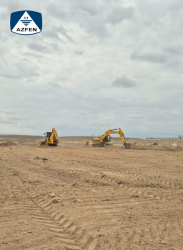
BP-nin “Sunrise” (Şəfəq) SPP (günəş elektrik stansiyası) layihəsi — Cəbrayılda həyata keçirilən 288 MWp (240 MW AC) gücündə böyükmiqyaslı fotovoltaik enerji layihəsi
2025
Dünya standartları
GÜRCÜSTAN
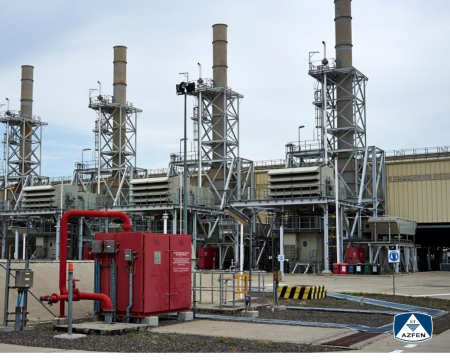
Mülki, Struktur, Mexaniki İstehsalat, Mexaniki Tikinti, ICE təminatı layihəsi
2021
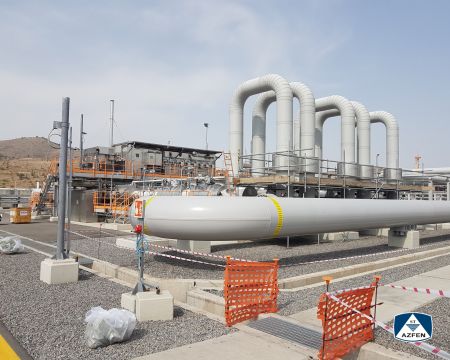
GÜRCÜSTAN
Gürcüstan Respublikası ərazisində istehsalat, tikinti, mülki obyektlərinin inşaatı, elektrik avadanlıqlarının və cihazlarının təmiri işləri
2023
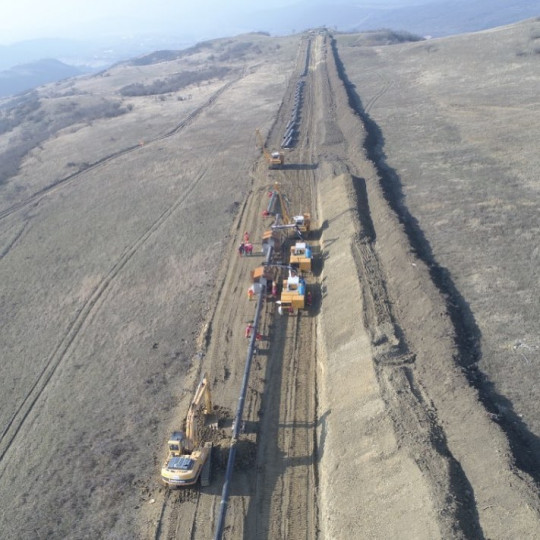
Dünya standartlarına cavab verən AZFEN MMC
AZFEN MMC 1996-cı ilin yanvarında Azərbaycan Respublikası Dövlət Neft Şirkəti (60% sahiblik hüququ ilə) və TEKFEN İnşaat və Təsisat A.Ş. (40% sahiblik hüququ ilə) tərəfindən təsis edilmişdir.
Məqsədimiz neft şirkətləri üçün yüksək səviyyəli tikinti və mühəndislik işlərini həyata keçirməkdən ibarətdir. Təcrübə və müasir texnologiyaların tətbiqi bizə Xəzər regionunda neft şirkətlərinə misilsiz xidmət göstərmək imkanı vermişdir. Biz irihəcmli neft layihələri üçün boru kəmərlərinin, platformaların və terminalların tikintisini həyata keçirmişik. Bacarıq və təcrübəmizlə yanaşı, sağlam və təhlükəsiz iş şəraitinə böyük əhəmiyyət veririk.
Hal-hazırda AZFEN fəaliyyətini dünya miqyasında genişləndirməyə çalışır.
The Quran, the holy book of Islam, is considered a sacred text that holds immense spiritual and cultural significance for Muslims worldwide. The script used to write the Quran has undergone significant transformations throughout history, with Arabic fonts playing a crucial role in shaping the visual identity of the text. In this write-up, we'll explore the fascinating world of Arabic fonts in Quranic typography, delving into their history, significance, and the intricate artistry involved in creating these beautiful scripts.
The earliest Quranic manuscripts date back to the 7th century, with the text written in a simple, cursive script known as Hijazi script. As Islamic art and calligraphy evolved, so did the scripts used to write the Quran. The development of Arabic fonts was influenced by various calligraphic styles, including Kufic, Naskh, and Thuluth. These scripts were meticulously crafted by skilled calligraphers, who considered the Quranic text a sacred art form.
The art of Arabic fonts in Quranic typography is a rich and fascinating field that combines spiritual significance, cultural heritage, and artistic expression. As we continue to navigate the intersection of tradition and innovation, we honor the legacy of calligraphers and typographers who have carefully crafted these beautiful scripts over the centuries. By exploring the history, significance, and artistry of Arabic fonts in Quranic typography, we gain a deeper appreciation for the intricate beauty and spiritual essence of the Quran.

Ümummilli lider
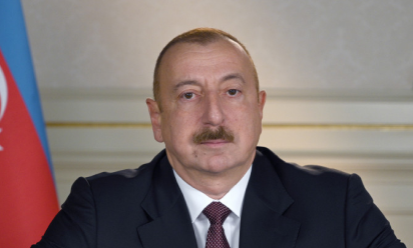
Prezident
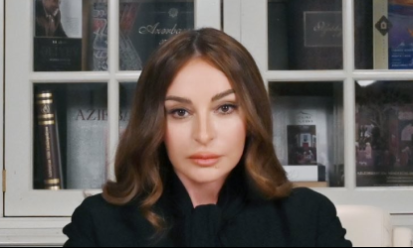
Birinci Vitse-Prezident