

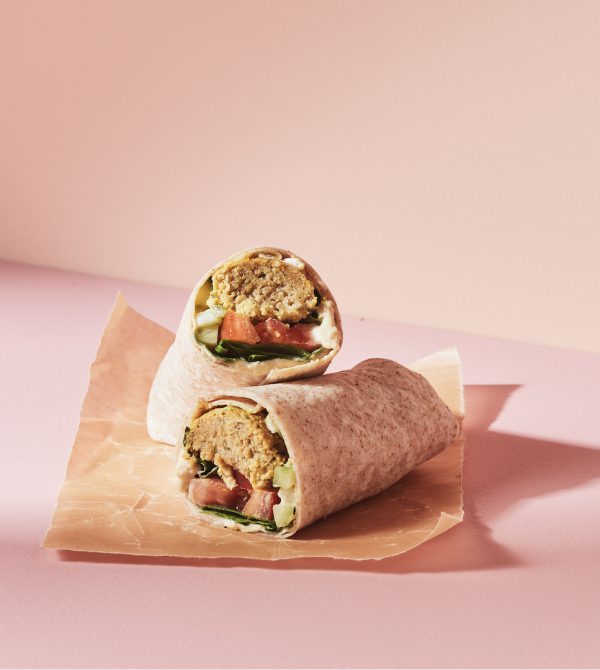
Dr Dre 2001 Zip _hot_

Collaborations and Star-Making 2001 is notable for how it centers other voices. Eminem and Snoop Dogg, along with a roster of West Coast and Midwest MCs, appear across the record. Dre’s role here is less as an on-stage lead and more as a curator and facilitator—using his profile, studio, and ear to amplify distinct artists. That curatorial instinct extended beyond immediate creative choices; it shaped careers. Eminem’s visibility on the album helped accelerate his ascent; Snoop’s presence maintained his cultural relevance. The record thus reads as both Dre’s project and a platform for others.

The album commonly referred to as Dr. Dre’s 2001 occupies a paradox: it’s at once a sequel that never quite intended to be and a defining statement that reshaped mainstream hip-hop at the turn of the millennium. Released in 1999 under the official title 2001, the record consolidated Dre’s strengths as a composer-producer and as an arbiter of West Coast sound while launching the careers of collaborators who would become industry mainstays. More than nostalgia, 2001 is a case study in sonic craft, branding, and the tensions between artistic legacy and commercial expectation. Dr Dre 2001 Zip

Legacy and Critiques The album’s legacy is double-edged. On one hand, it established production benchmarks and influenced countless producers. On the other, some critiques point to lyrical content and thematic repetition—gangsta tropes, misogynistic bars, and violent storytelling—that remain problematic when viewed through contemporary cultural lenses. The tension between Dre’s undeniable technical achievements and the social implications of the album’s subject matter invites nuanced evaluation: one can admire the craft while interrogating the messages that were amplified. Collaborations and Star-Making 2001 is notable for how

Cultural Impact and Commercial Strategy 2001 arrived at a moment when hip-hop was transitioning from regional scenes to national and global markets. Dre’s sonic choices—polished production, cinematic interludes, and hook-focused singles—made the record radio-friendly without abandoning street credibility. Commercially, the album demonstrated how veteran artists could use high production values and strategic collaborations to reach broad audiences while retaining artistic identity. It also underscored the music industry’s increasing emphasis on singles and branding as revenue drivers. The album commonly referred to as Dr

Artistry and Production Dr. Dre’s production on 2001 exemplifies meticulous studio craftsmanship. The album’s textures are dense yet clean: layered synths, wide stereo imaging, and booming low-ends that leave space for vocal performances. Dre’s method is architectural—beats are built like rooms, with each element deliberately positioned. This yields tracks that sound polished without being sterile, maintaining a muscular clarity that became a template for mainstream hip-hop production in the following decades.

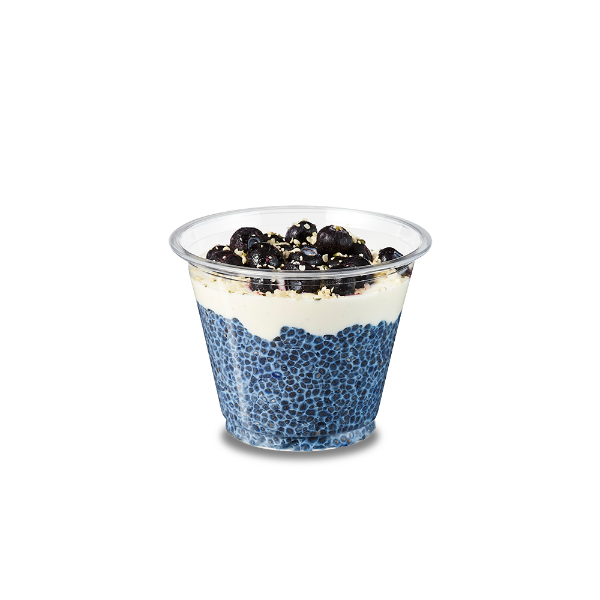
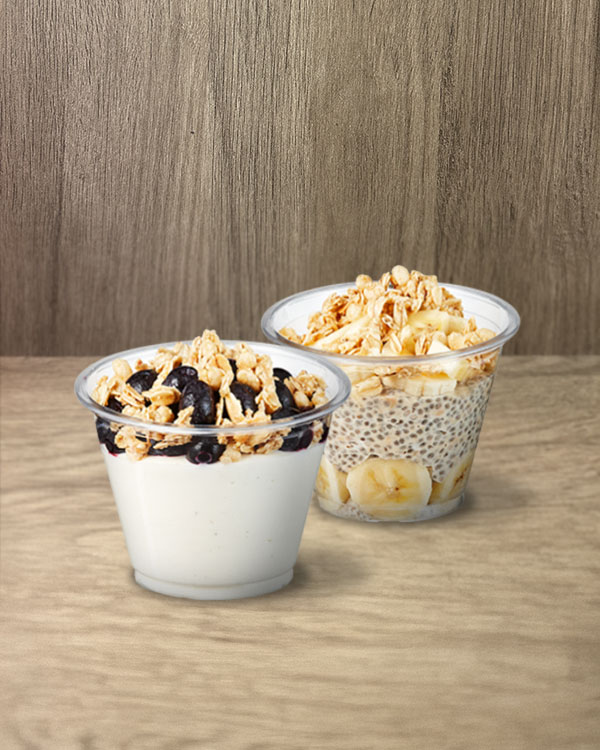
Carrot Cake Chia Pudding
Carrot cake chia pudding
Almond Milk, Chia Seeds, Vanilla Syrup, Granola, Shredded Carrot, Chopped Dates, Cinnamon
Find a store

You may also like

Blue Lagoon Chia Pudding
Vanilla Protein Overnight Oats
Chicken & Caramelized Onion Grilled Cheese
Download nutritional table of complete menu

More benefits

Dr Dre 2001 ZipImmunity

Nutritional powerhouses to support a healthy immune system and ability to fight infection.

Dr Dre 2001 ZipVegan

Contains no animal foods such as meat, dairy, eggs and honey.

Dr Dre 2001 ZipVegetarian

Contains no meat, poultry, fish or eggs. May contain dairy.

Dr Dre 2001 ZipPost-workout

Ideal option after a workout or sports for more protein to repair and restock muscles.

Dr Dre 2001 ZipPre-workout

Ideal option before exercise or sports to provide a quick source of fuel for your workout.

Dr Dre 2001 ZipProtein

Protein rich choices to help you keep full longer and repair your muscles and tissues.

Dr Dre 2001 ZipAnti-inflammatory

Contains healthy foods to reduce the risk of heart disease, diabetes and cancer.

Dr Dre 2001 ZipBrain health

Contains brain healthy ingredients that enhance energy and are protective from cognitive decline.

Dr Dre 2001 ZipGluten friendly

Contains gluten-free ingredients but we can’t guarantee they haven’t come into contact with gluten during preparation.

Dr Dre 2001 ZipNon GMO

According to information provided from suppliers, these items are free of GMO based ingredients.

Dr Dre 2001 ZipSoy Free

Made without ingredients from soybeans such as soy milk and other by-products of soybeans.
*Although substituting with Vega protein powder provides no soy ingredients, please note the product label says “may contain soy” given the manufacturing plant processes many foods.

Dr Dre 2001 ZipDairy Free

Made without ingredients from dairy such as milk or yogurt.

*Although substituting with Vega protein powder provides no dairy ingredients, please note the product label says “may contain milk” given the manufacturing plant processes many foods.

Dr Dre 2001 ZipPlant Based

Contains plant-based products.

Dr Dre 2001 ZipClassic

Original fan-favorite options for both taste and overall good nutrition.

Dr Dre 2001 ZipFreshly Pressed

Juice prepared by pressing fruits and vegetables.

Dr Dre 2001 ZipFresh Energy

Get-up-and-go options that stimulate your brain and body with extra energy and zest.

Collaborations and Star-Making 2001 is notable for how it centers other voices. Eminem and Snoop Dogg, along with a roster of West Coast and Midwest MCs, appear across the record. Dre’s role here is less as an on-stage lead and more as a curator and facilitator—using his profile, studio, and ear to amplify distinct artists. That curatorial instinct extended beyond immediate creative choices; it shaped careers. Eminem’s visibility on the album helped accelerate his ascent; Snoop’s presence maintained his cultural relevance. The record thus reads as both Dre’s project and a platform for others.

The album commonly referred to as Dr. Dre’s 2001 occupies a paradox: it’s at once a sequel that never quite intended to be and a defining statement that reshaped mainstream hip-hop at the turn of the millennium. Released in 1999 under the official title 2001, the record consolidated Dre’s strengths as a composer-producer and as an arbiter of West Coast sound while launching the careers of collaborators who would become industry mainstays. More than nostalgia, 2001 is a case study in sonic craft, branding, and the tensions between artistic legacy and commercial expectation.

Legacy and Critiques The album’s legacy is double-edged. On one hand, it established production benchmarks and influenced countless producers. On the other, some critiques point to lyrical content and thematic repetition—gangsta tropes, misogynistic bars, and violent storytelling—that remain problematic when viewed through contemporary cultural lenses. The tension between Dre’s undeniable technical achievements and the social implications of the album’s subject matter invites nuanced evaluation: one can admire the craft while interrogating the messages that were amplified.

Cultural Impact and Commercial Strategy 2001 arrived at a moment when hip-hop was transitioning from regional scenes to national and global markets. Dre’s sonic choices—polished production, cinematic interludes, and hook-focused singles—made the record radio-friendly without abandoning street credibility. Commercially, the album demonstrated how veteran artists could use high production values and strategic collaborations to reach broad audiences while retaining artistic identity. It also underscored the music industry’s increasing emphasis on singles and branding as revenue drivers.

Artistry and Production Dr. Dre’s production on 2001 exemplifies meticulous studio craftsmanship. The album’s textures are dense yet clean: layered synths, wide stereo imaging, and booming low-ends that leave space for vocal performances. Dre’s method is architectural—beats are built like rooms, with each element deliberately positioned. This yields tracks that sound polished without being sterile, maintaining a muscular clarity that became a template for mainstream hip-hop production in the following decades.