(See instructions for Mobile Devices)
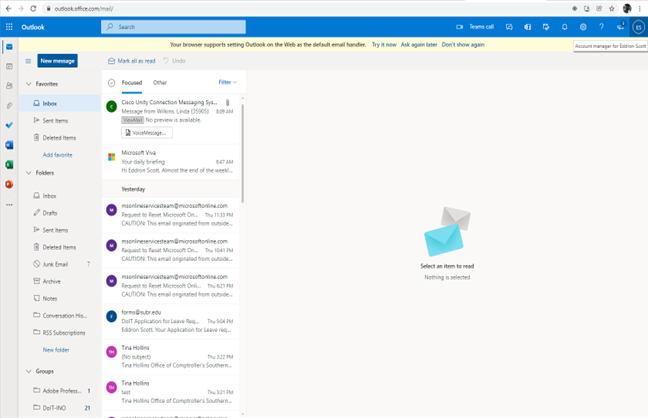
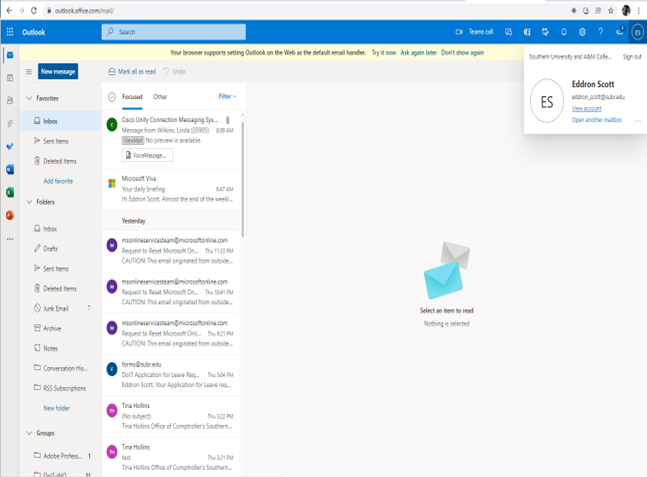
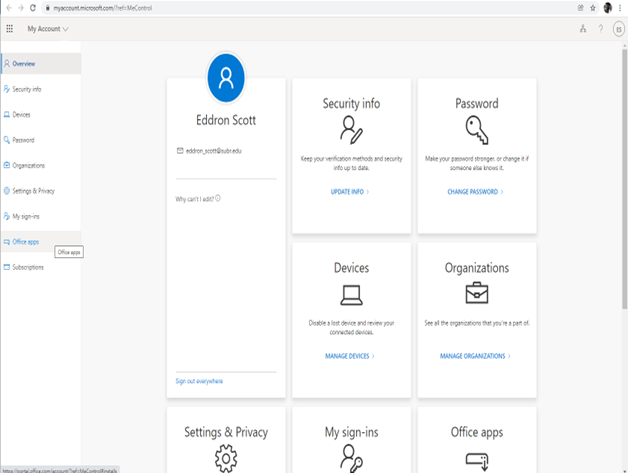
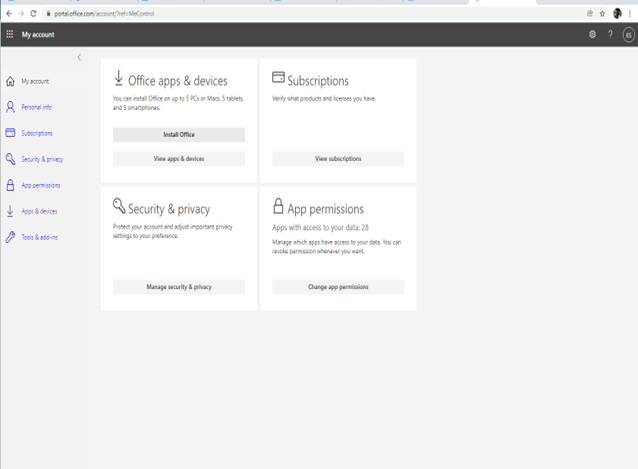
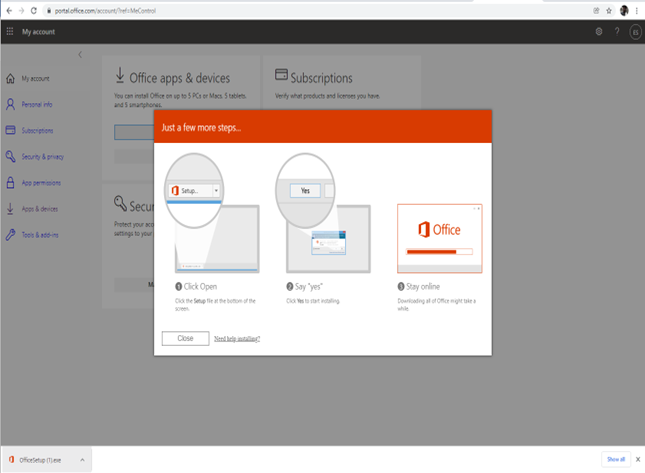
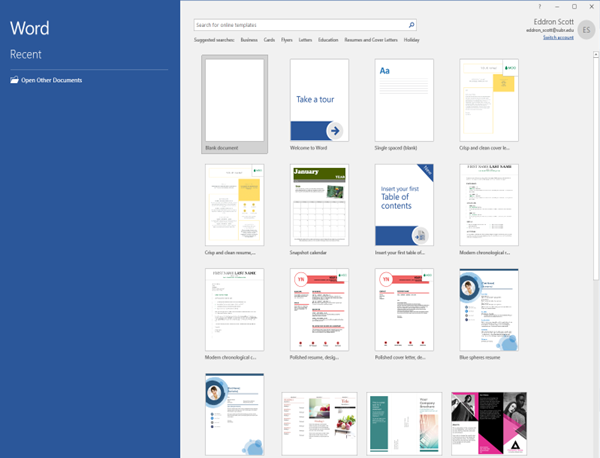
(See instructions for Desktop/Laptop Devices)
The following information should be helpful with setting up your favorite device to access MS Office 365 e-mail:
(Note: During the setup of your device make sure you enter your entire e-mail address (john_doe_00@subr.edu) for the user name or login. For best results when setting up your mobile device, remove any previous SUBR mail profiles prior to following the setup instructions.)
The satisfying end: when it finally runs There is a specific kind of satisfaction in seeing the pixel count rise and the input lag fall back into place after hours of tweaking. It’s not just technical victory; it’s closure. The file name that began as a question becomes an answer: settings saved, compatibility profile applied, the controller responds, the stadium roars (in one’s head, at least). The phrase “dxcpl pes 2016 work” thus becomes both log entry and trophy — shorthand for a story of patience, community, and the tiny miracles of making old things live again.
Moreover, the micro-practices encapsulated by “dxcpl pes 2016 work” map onto broader, modern problems: how we manage legacy systems, how we translate old expectations into new environments, and how communities self-organize to preserve access. The same instincts that lead a hobbyist to patch a soccer game can inform enterprise decisions about migrating legacy applications or conserving digital history. dxcpl pes 2016 work
DXCPL: the compatibility wizard’s sidekick DXCPL is Microsoft’s DirectX Control Panel — a utility that can feel like a tiny, arcane throne-room for graphics settings. Not glamorous, but indispensable when you need to force an API into behaving, to flip caps on or off, to sample a rendering pipeline when a game or app refuses to cooperate. For developers and power users it’s that calm, reliable tool you open when everything else has failed: a place to toggle debugging runtimes, to hook performance layers, to reveal whether a crash is a shader problem, a driver quirk, or something more exotic. The satisfying end: when it finally runs There
—
To see “dxcpl” attached to any other fragment implies diagnosis. Someone hunting a rendering bug. Someone trying to coax a binary into running on newer Windows variants. Someone balancing between the old and the new, between hardware idiosyncrasies and software stubbornness. The phrase “dxcpl pes 2016 work” thus becomes
Why it matters beyond nostalgia There’s charm here, certainly, but there’s also a deeper truth. Software doesn’t simply disappear when it’s old; it accumulates cultural value. Games like PES 2016 are artifacts of design sensibilities, player communities, and technical constraints. Keeping them playable is a form of cultural preservation — a hands-on effort that blends engineering, reverse-engineering, and affection.
This is technical archaeology: diagnosing how an executable from a certain year behaves in the present, sifting through layers of compatibility falloff. It’s also communal labor. Whether the fix is a community-made wrapper, a compatibility profile, or a simple toggle in DXCPL, the narrative is social: someone asks, someone answers, a mod spreads, and a game lives another season.