


Transform Your Meditation Practice
Join thousands of meditators who've upgraded to premium advanced features with the ultimate meditation timer.
Begin meditation after:
 Move the slider to set the count down
 Move the slider to set the duration
Taking you to your completion page
Ring every:
You meditated for 10 minutes



Get started straight away
Join thousands of meditators who've upgraded to premium advanced features with the ultimate meditation timer.

Meditation Timer Premium
Personalize your meditation space with stunning themes and colors
Track your meditation journey with insightful progress charts
Build lasting habits and never break your meditation chain
Meditate as long as you need without any restrictions
Set up to 10 intervals for perfect guided meditation sessions
Authentic Tibetan bowls, nature and ambient sounds

Everything you need

Basic features
Get the Meditation Timer mobile app for Android (iOS coming soon).
All premium features available on mobile.
Free download • Premium features included
Reflections, behind-the-scenes stories, and practical wisdom from our meditation blog.
That said, there’s an ethical friction under the surface. Works that center on slavery and sexualized violence risk normalizing or aestheticizing suffering. Slave Tears sometimes flirts with that danger: scenes of humiliation and torment are presented in glossy panels that can fetishize the very pain the narrative intends to condemn. Yet the text also occasionally pulls back, framing the spectacle as a societal sickness and giving victims small but potent moments of agency and defiance. Those moments are crucial — they transform the book from mere exploitation into a conversation about who gets to be seen, how suffering is consumed, and what resistance looks like even in the smallest acts.
Who should pick this up? Fans of pulpy historical epics, readers who enjoy morally complicated antiheroes, and collectors of visually intense, adult-oriented comics will find it satisfying. Those seeking delicate portrayals of trauma or nuanced socio-historical analysis should be cautious: the book leans toward spectacle and catharsis rather than therapeutic nuance. slave tears of rome two tpb hot
Tone-wise, the TPB is uneven but interestingly so. It wants to be grim and grand, erotic and heroic, intimate and widescreen. Those collisions can jar, but they also create an unstable energy that keeps you turning pages: one moment you’re in a blood-slick arena, the next you’re in a quiet cell where a whispered exchange reveals the emotional core. The dialogue often prefers bluntness over subtlety, underlining archetypal emotions rather than dissecting them — again, more tragic chorus than inner monologue. That said, there’s an ethical friction under the surface
There’s a particular pleasure in revisiting works that traffic in pulp history and operatic excess, and Slave Tears of Rome — Two TPB Hot (hereafter Slave Tears) is one of those guilty-pleasure artifacts that rewards both casual consumption and closer reading. At first glance it markets itself as raw, sensational entertainment: gladiatorial arenas, scheming senators, and melodramatic betrayals rendered with broad strokes. Look longer, though, and you find the ways a comic can be both exploitation and a mirror held up to modern anxieties about power, spectacle, and the commodification of pain. Yet the text also occasionally pulls back, framing
In short: Slave Tears of Rome — Two TPB Hot is an aestheticized melodrama that simultaneously indulges and critiques spectacle. It can be uncomfortable, occasionally irresponsible, but also intermittently brave: when it centers the humanity of those it depicts instead of merely staging their suffering, it transcends its pulp impulses and becomes provocative in a way that lingers after the final panel.

Why I created Meditation Timer Online
Continue Reading
Exploring the concept of 'I love you' in our lives. A reflection on the power of love.
Continue Reading
Exploring the concept of 'nothing is missing' in our lives. A reflection on Lao Tzu's wisdom.
Continue Reading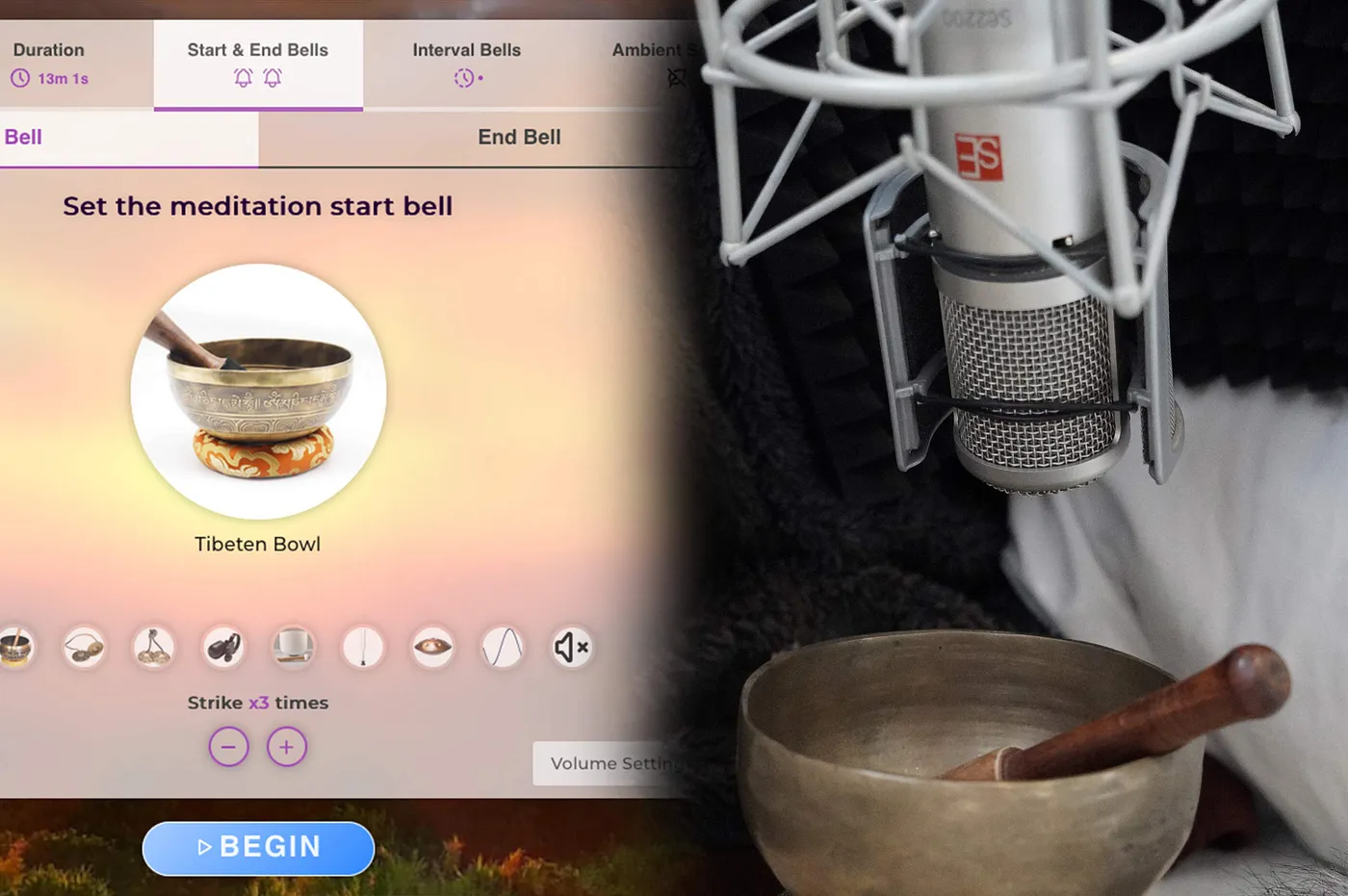
How we record the sounds for the meditation timer
Continue Reading
A reflection on Viktor Frankl's wisdom and the importance of mindfulness in our daily lives.
Continue ReadingWant to explore more meditation insights and tips?
View All ArticlesDiscover the science and benefits behind different meditation lengths. Learn which duration is right for your goals and experience level.
When you only have 60 seconds, this quick meditation can instantly reduce stress and reset your mind. Perfect for beginners and busy schedules.
Learn About 1 Min PracticeStep up from 1-minute sessions with this 2-minute meditation. Long enough for real benefits, short enough for any schedule.
Learn About 2 Min PracticePerfect for busy schedules - 5 minutes is all you need to reduce stress, improve focus, and build a daily meditation habit.
Learn About 5 Min PracticeLonger meditation practice for stress relief and improved focus. Ideal for those comfortable with shorter sessions.
Learn About 10 Min PracticeIntermediate meditation practice that develops sustained attention and deeper states of relaxation. Good for regular practitioners.
Learn About 15 Min PracticeExtended meditation practice that allows for deeper concentration and sustained mindfulness. Ideal for intermediate to advanced practitioners.
Learn About 20 Min PracticeAdvanced meditation practice for experienced practitioners. Develop sustained concentration and work with challenging emotional states.
Learn About 25 Min PracticeExtended meditation practice for experienced practitioners. Develop deep concentration and access advanced meditative states.
Learn About 30 Min PracticeNew to meditation? Start by learning about 1 or 2-minute practices and understand how to gradually build your practice.
That said, there’s an ethical friction under the surface. Works that center on slavery and sexualized violence risk normalizing or aestheticizing suffering. Slave Tears sometimes flirts with that danger: scenes of humiliation and torment are presented in glossy panels that can fetishize the very pain the narrative intends to condemn. Yet the text also occasionally pulls back, framing the spectacle as a societal sickness and giving victims small but potent moments of agency and defiance. Those moments are crucial — they transform the book from mere exploitation into a conversation about who gets to be seen, how suffering is consumed, and what resistance looks like even in the smallest acts.
Who should pick this up? Fans of pulpy historical epics, readers who enjoy morally complicated antiheroes, and collectors of visually intense, adult-oriented comics will find it satisfying. Those seeking delicate portrayals of trauma or nuanced socio-historical analysis should be cautious: the book leans toward spectacle and catharsis rather than therapeutic nuance.
Tone-wise, the TPB is uneven but interestingly so. It wants to be grim and grand, erotic and heroic, intimate and widescreen. Those collisions can jar, but they also create an unstable energy that keeps you turning pages: one moment you’re in a blood-slick arena, the next you’re in a quiet cell where a whispered exchange reveals the emotional core. The dialogue often prefers bluntness over subtlety, underlining archetypal emotions rather than dissecting them — again, more tragic chorus than inner monologue.
There’s a particular pleasure in revisiting works that traffic in pulp history and operatic excess, and Slave Tears of Rome — Two TPB Hot (hereafter Slave Tears) is one of those guilty-pleasure artifacts that rewards both casual consumption and closer reading. At first glance it markets itself as raw, sensational entertainment: gladiatorial arenas, scheming senators, and melodramatic betrayals rendered with broad strokes. Look longer, though, and you find the ways a comic can be both exploitation and a mirror held up to modern anxieties about power, spectacle, and the commodification of pain.
In short: Slave Tears of Rome — Two TPB Hot is an aestheticized melodrama that simultaneously indulges and critiques spectacle. It can be uncomfortable, occasionally irresponsible, but also intermittently brave: when it centers the humanity of those it depicts instead of merely staging their suffering, it transcends its pulp impulses and becomes provocative in a way that lingers after the final panel.